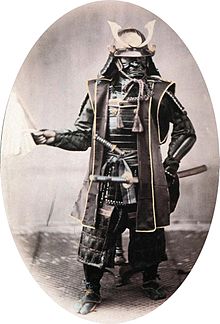
Rei Kawakubo - Rei Kawakubo's work was very influential for this work, due to her very minimalist designs that seem to use a lot of fabric that is able to be draped and adjusted. This is particularly interesting as it means each garment can have the ability to change and look very different for each individual person. This also means that the garment could be timeless.
As well as looking at her clothing being work, we also looked at Naoya Hatakeyama's photographs of Kawakubo's garments flat. This gave us an idea of how intricate and put together her designs were, despite being minimal. It also showed us how even in 2D her clothing managed to look very well designed, and how they even looked like individual pieces of art when displayed. These were from Comme des Garcons A/W 1992-93 collection.


 Bless Design - I looked into some of Bless designs work and found some pieces that relate to the work we did involving objects, the space and the shirt. A chair of theirs appears to be covered in fabric, or made out of fabric, and is adjustable and movable
 Another piece of theirs is a lightweight car cover, made out of fabric, that was intended to not only be used as a car cover, but also able to worn, sat on or sleep on. Other pieces of Bless designs, which I unfortunately do not have any images of, are multi-purpose clothing. Clothing that is made to be worn in a variety of ways (such as both a shirt and a skirt) depending on how its put together on the person.
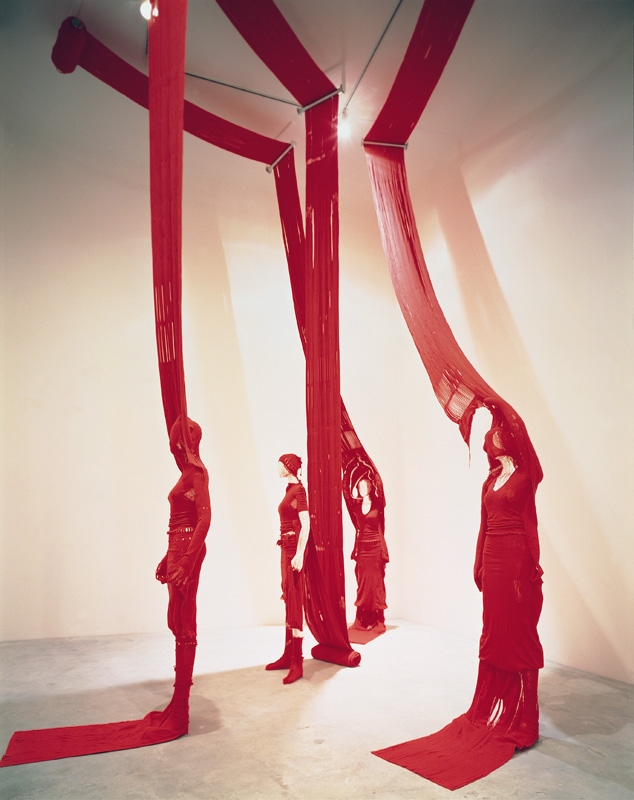 Issey Miyake - I looked mainly at two pieces by Issey Miyake, one showed how many individual garments could be created out of one tube of fabric.
 The other collection I looked at was his 132.5 collection. This collection is a great example of how the 2D display can be used as an art piece just as much as the worn clothes. The angular, geometric clothing, when flat, produces mandala like shapes and patterns of folds, and it is essentially origami clothing. Although our 2D fabric pieces were very simple, it was very interesting to see how complicated and extreme they could become.
As well as looking at these artists and their techniques, I also found some images that I thought related to this segment of the project as they showed similar effects and shapes to what we created.
 |
| Artist Unknown |
 |
| The Lovers by René Magritte |
 |